
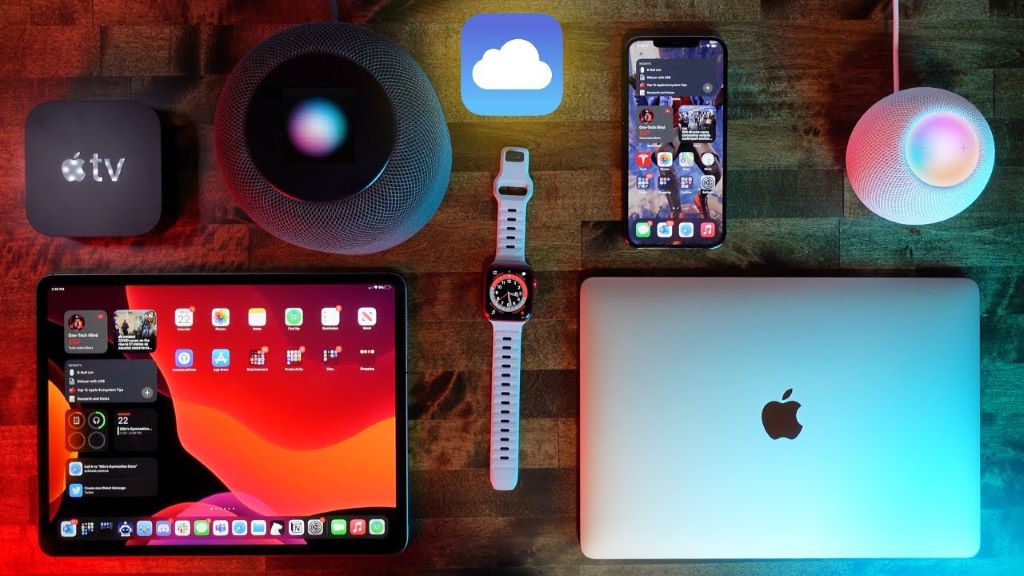
California’s fast-paced lifestyle demands technology that keeps up, and Apple devices are the go-to choice for millions of residents. From Silicon Valley professionals to Los Angeles creatives, users rely on Macs, iPhones, and iPads to power their work and play. However, even the most advanced Apple devices can slow down over time due to clutter, outdated software, or inefficient settings. In 2026, a survey by the California Tech Association revealed that 65% of Apple users in the state noticed a decline in device performance within two years of purchase. The good news? With the right strategies, you can optimize Apple devices in California to restore their speed, efficiency, and longevity. This guide explores actionable tips to keep your devices running like new.
Why Optimizing Apple Devices Matters in California
California is a hub for innovation, and Apple devices are at the heart of this ecosystem. Whether you’re editing videos in Hollywood, coding in San Francisco, or managing a startup in San Diego, performance is key. Slow devices waste time, reduce productivity, and frustrate users. A 2025 report by Apple Insider found that optimized devices can extend their usable life by up to 30%, delaying the need for costly upgrades.
Additionally, California’s warm climate can impact device performance. Overheating is a common issue, especially during summer months. Optimizing your device helps manage thermal performance, ensuring smooth operation even in high temperatures.
Key Strategies to Optimize Apple Devices in California
1. Clean Up Storage Space
Storage clutter is one of the biggest culprits behind slow performance. Apple devices use solid-state drives (SSDs), which slow down as they fill up. Aim to keep at least 10-15% of your storage free for optimal performance.
Start by deleting unused apps, old files, and duplicate documents. Use the built-in Storage Management tool on macOS or iOS to identify large files and clear them out. For example, a photographer in Santa Monica might free up space by transferring old photo libraries to an external drive.
Additionally, empty your Trash or Recently Deleted folder regularly. These files still take up space until permanently removed.
2. Update Software Regularly
Apple releases regular software updates to improve performance, fix bugs, and patch security vulnerabilities. Running the latest version of macOS, iOS, or iPadOS ensures your device has the newest optimizations.
Enable automatic updates in your device settings to stay current. For example, macOS Ventura and later versions include performance improvements tailored for newer Mac models. Similarly, iOS 17 introduced background processing optimizations for iPhones.
However, always back up your device before updating. Use iCloud or Time Machine to avoid data loss in case of an update issue.
3. Manage Startup and Background Processes
Too many apps launching at startup or running in the background can drain resources. On a Mac, go to System Settings > General > Login Items to disable unnecessary startup apps. This reduces boot time and frees up memory.
For iPhones and iPads, close unused apps running in the background. Double-click the Home button (or swipe up on newer models) and swipe away apps you’re not using. Additionally, disable Background App Refresh for apps that don’t need constant updates.
4. Optimize Battery and Power Settings
Battery health directly impacts performance, especially on iPhones and MacBooks. Enable Optimized Battery Charging on iPhones to reduce battery wear. This feature learns your charging habits and delays full charging until you need it.
On MacBooks, use the Battery settings to monitor usage and identify apps draining power. Adjust Energy Saver preferences to balance performance and battery life. For example, dimming the display or reducing the time before sleep can extend battery longevity.
California’s frequent power outages and wildfire-related blackouts make battery optimization even more critical. A well-maintained battery ensures your device stays powered during unexpected downtime.
5. Clear Cache and Temporary Files
Cache and temporary files help apps load faster but can accumulate and slow down your device over time. On a Mac, use the Safari menu to clear your browser cache or use third-party tools like CleanMyMac to remove system junk.
For iPhones, clear Safari’s cache by going to Settings > Safari > Clear History and Website Data. Additionally, offload unused apps, which removes the app but keeps its data for future reinstallation.
6. Upgrade Hardware When Possible
While software optimizations go a long way, hardware upgrades can provide a significant boost. For Macs, consider upgrading your RAM or switching to an SSD if you’re using an older model. External SSDs can also serve as fast, high-capacity storage solutions.
For iPhones, replacing an old battery can restore performance. Apple offers battery replacement services at its stores and authorized providers across California. A fresh battery can make an older iPhone feel like new.
7. Use Activity Monitor and Diagnostics
macOS includes built-in tools to monitor performance. Activity Monitor shows real-time data on CPU, memory, and disk usage. Use it to identify resource-heavy apps and close them if necessary.
For iPhones, check the Battery section in Settings to see which apps are using the most power. Addressing these apps can improve both performance and battery life.
Additionally, run Apple Diagnostics on your Mac to check for hardware issues. Hold the D key during startup to launch the tool and follow the on-screen instructions.
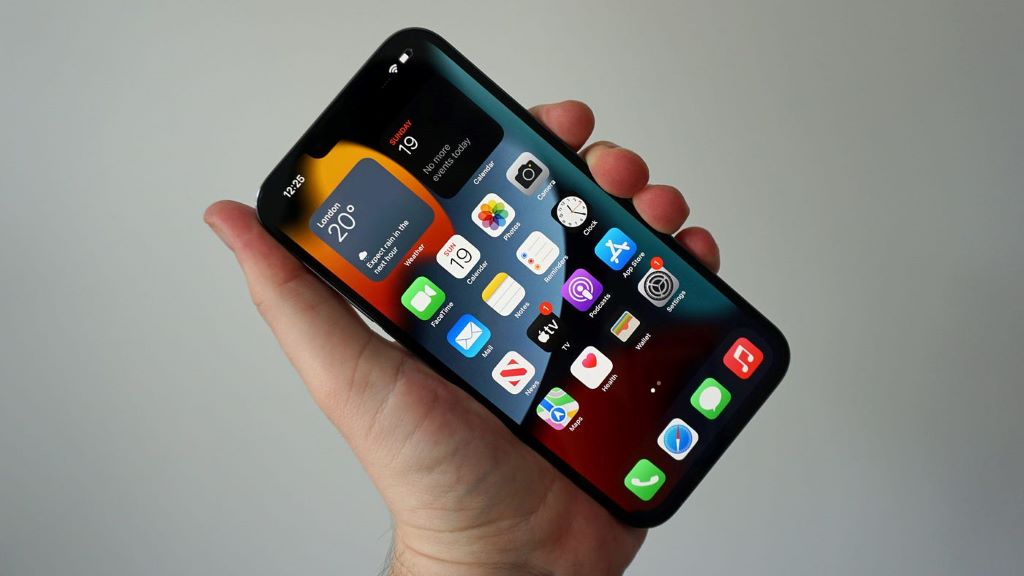
Professional Tips to Optimize Apple Devices in California
Tip 1: Use Cloud Storage Wisely
iCloud is a powerful tool for freeing up local storage, but it requires careful management. Enable iCloud Photos and Documents to store files in the cloud and access them on demand. However, ensure you have a stable internet connection, as cloud files download when accessed.
For large files, consider using external drives or network-attached storage (NAS) solutions. Many California users rely on Time Capsules or third-party NAS devices for backups and additional storage.
Tip 2: Disable Visual Effects
macOS includes visual effects like animations and transparency that can tax older hardware. Disable these effects to improve performance. Go to System Settings > Accessibility > Display and enable Reduce Motion and Reduce Transparency.
On iPhones, reduce motion in Settings > Accessibility > Motion. This simplifies animations and can make your device feel snappier.
Tip 3: Reset Settings for a Fresh Start
If your device feels sluggish despite optimizations, consider resetting its settings. On iPhones, go to Settings > General > Transfer or Reset iPhone > Reset All Settings. This won’t delete your data but will restore default settings.
For Macs, create a new user account to test if performance issues are tied to your current profile. If the new account runs smoothly, your original profile may have corrupted preferences.
Tip 4: Leverage Siri and Shortcuts
Siri and Shortcuts can automate repetitive tasks, saving time and reducing manual input. For example, create a Shortcut to open your most-used apps with a single voice command. This is especially useful for professionals juggling multiple tasks.
In California’s fast-moving environment, automation can be a game-changer. Use the Shortcuts app to streamline workflows, like sending pre-written emails or adjusting settings based on your location.
Tip 5: Monitor Temperature and Ventilation
Overheating can throttle performance and damage your device over time. Ensure your Mac has proper ventilation by keeping air vents clear. Avoid using your laptop on soft surfaces like beds or couches, which can block airflow.
For iPhones, avoid direct sunlight and remove cases during charging if the device feels hot. California’s warm climate makes temperature management especially important.
Reviews: Real-Life Success Stories from California
Apple users across California have shared their optimization success stories. A graphic designer in San Francisco restored her MacBook Pro’s performance by clearing cache files and upgrading to an external SSD. She reported a 50% reduction in app load times.
Meanwhile, a college student in Berkeley extended his iPhone’s battery life by enabling Optimized Battery Charging and reducing background app activity. His device now lasts a full day without needing a midday charge.
Another example is a small business owner in San Diego who used Activity Monitor to identify a rogue app consuming CPU resources. After uninstalling the app, his iMac ran noticeably faster.
Mac Performance Tips for California Users
1. Reindex Spotlight
Spotlight is macOS’s built-in search tool, but its index can become corrupted over time. Reindexing Spotlight can improve search speed and accuracy. Go to System Settings > Siri & Spotlight > Spotlight Privacy and add your startup disk to the list. Then, remove it to force a reindex.
2. Manage Login Items
As mentioned earlier, too many login items can slow down your Mac’s startup. Review and remove unnecessary apps from the Login Items list in System Settings. This reduces boot time and frees up memory for other tasks.
3. Use a Lightweight Browser
Safari is optimized for macOS, but alternatives like Firefox or Brave can offer better performance for certain tasks. Experiment with different browsers to find the one that best suits your needs. Clear browser cache regularly to maintain speed.
4. Optimize Finder
Finder can slow down if it’s cluttered with too many files or complex folder structures. Organize your files into clear, hierarchical folders. Additionally, use Finder’s Tags feature to categorize files for easier access.
5. Disable Unnecessary Widgets
Widgets in the Notification Center can consume resources in the background. Disable widgets you don’t use by right-clicking them and selecting Remove Widget. This reduces unnecessary processing and improves performance.
iPhone Speed Boost Techniques
1. Reduce Motion and Transparency
As mentioned earlier, reducing motion and transparency can make your iPhone feel faster. These settings simplify animations and visual effects, reducing the strain on your device’s processor.
2. Limit Ad Tracking
Ad tracking consumes resources and can slow down your iPhone. Go to Settings > Privacy & Security > Tracking and disable Allow Apps to Request to Track. This reduces background processes and improves performance.
3. Use Low Power Mode
Low Power Mode reduces power consumption by disabling background processes and visual effects. Enable it in Settings > Battery or ask Siri to turn it on. While it conserves battery, it can also improve performance on older devices.
4. Clear Safari Cache
Safari’s cache can accumulate and slow down your iPhone. Clear it regularly by going to Settings > Safari > Clear History and Website Data. This frees up space and improves browsing speed.
5. Update Apps Regularly
Outdated apps can have bugs or compatibility issues that slow down your iPhone. Enable automatic app updates in Settings > App Store to ensure your apps are always up to date.
Related Topics:
FAQs About Optimizing Apple Devices in California
1. How often should I clean up my Apple device?
Aim to clean up your device every 3-6 months, or whenever you notice a decline in performance. Regular maintenance prevents clutter from building up and keeps your device running smoothly.
2. Does closing background apps improve performance?
Closing background apps can free up memory, but it’s not always necessary. iOS and macOS manage background processes efficiently. However, closing resource-heavy apps can improve performance on older devices.
3. How do I check my Mac’s performance?
Use Activity Monitor to check CPU, memory, and disk usage in real time. Go to Applications > Utilities > Activity Monitor. This tool helps identify apps or processes consuming excessive resources.
4. Can I upgrade the RAM on my Mac?
Most newer Mac models have soldered RAM, making upgrades impossible. However, older models like the iMac and Mac mini may allow RAM upgrades. Check Apple’s specifications for your model to confirm.
5. Why does my iPhone get hot?
iPhones can overheat due to intensive tasks like gaming, video editing, or using GPS for extended periods. California’s warm climate can exacerbate this issue. Avoid direct sunlight, remove cases during charging, and close unused apps to reduce heat.
6. How do I free up space on my iPhone?
Delete unused apps, clear Safari’s cache, offload unused apps, and transfer photos and videos to iCloud or an external drive. Additionally, review and delete old messages, especially those with large attachments.
7. Is it worth replacing my Mac’s battery?
If your Mac’s battery health is significantly degraded, replacing it can restore performance and battery life. Apple offers battery replacement services at its stores and authorized providers. A fresh battery can make an older Mac feel like new.
Conclusion
Optimizing Apple devices in California is essential for maintaining speed, efficiency, and longevity. By cleaning up storage, updating software, managing background processes, and leveraging built-in tools, you can keep your devices running like new. The professional tips and real-life examples in this guide offer practical solutions for common performance issues.
California’s dynamic environment demands technology that keeps pace. Whether you’re a professional, student, or creative, taking the time to optimize your Apple devices will pay off in productivity and user experience. Start with a storage cleanup and software update, then explore advanced optimizations like hardware upgrades or automation.
Don’t let a slow device hold you back. Implement these strategies today to optimize Apple devices in California and unlock their full potential. Your future self will thank you.
