

After two hours of continuous wear, every headphone reveals whether its comfort engineering was designed for marketing photos or actual human heads — and most fail this test badly enough to cause headaches, ear soreness, or that dull neck ache you can’t quite explain. Comfortable wireless headphones for long listening sessions require specific engineering decisions that most manufacturers skip because they don’t show up in spec sheets or store demos: precise clamping force calibration, weight distribution across the headband arc, ear cup depth that clears the outer ear completely, and breathable materials that manage heat buildup over hours rather than minutes.
Comfortable wireless headphones are over-ear or on-ear Bluetooth headphones engineered for extended wear sessions exceeding 3 hours without causing pressure headaches, ear canal fatigue, temple soreness (for glasses wearers), or heat-related discomfort. True long-session comfort requires the intersection of correct weight (under 260g), appropriate clamping force (3–4 newtons), sufficient ear cup depth (22mm+), and breathable pad materials.
This wireless headphone buying guide focuses exclusively on the comfort dimension — because you can find a hundred reviews comparing sound quality and ANC, but almost none rigorously testing what actually happens to your comfort after hour three, hour five, or a full workday of continuous wear.
What Causes Headphone Discomfort During Long Listening Sessions?
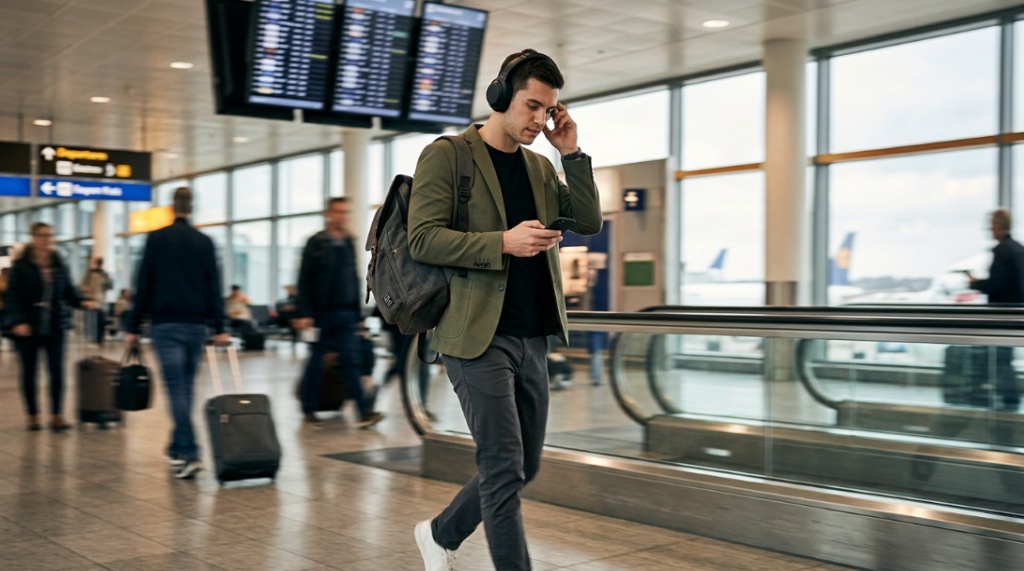
Four factors cause discomfort: excessive clamping force (pressure headaches and temple pain), insufficient ear cup depth (ear tips touching the driver cover), non-breathable materials (heat and sweat buildup), and top-heavy weight distribution (hot spots on crown of head).
Discomfort sources and their timeline:
- 30–60 minutes: Clamping force issues become noticeable. Ears feel “squeezed.” Glasses frames dig into temples. This indicates clamping force above 5 newtons — too tight for extended wear.
- 1–2 hours: Ear tip contact with the inner driver plate causes soreness. The outer ear (pinna) presses against the driver cover if cup depth is insufficient. This is the most common complaint in headphones advertised as “over-ear” but actually sized as on-ear.
- 2–3 hours: Heat buildup becomes uncomfortable. Non-breathable synthetic leather traps body heat, causing sweating and itching. Pad material choice becomes critical at this duration.
- 3–5+ hours: Weight distribution fatigue. Headband pressure on the crown creates a “hot spot” if weight isn’t distributed across at least 8cm of headband contact. Neck fatigue appears with headphones over 280g.
| Comfort Factor | Comfortable Range | Problematic Range | Testing Method |
|---|---|---|---|
| Clamping Force | 3–4 newtons | Above 5 newtons | Wear for 60 minutes — temple soreness indicates excessive clamp |
| Weight | Under 260g | Above 300g | Weigh on kitchen scale — lighter is always better for extended wear |
| Ear Cup Depth | 22mm+ internal | Under 18mm | Check if outer ear touches the driver plate when worn |
| Headband Padding Width | 50mm+ contact area | Under 30mm (narrow band) | Feel for pressure point concentration on crown after 30 minutes |
Which Wireless Headphones Are Most Comfortable for All-Day Wear?
The Bose QuietComfort Ultra, Sony WH-1000XM5, and Sennheiser Momentum 4 consistently rank highest for extended comfort in independent long-wear testing. Each excels for different head shapes and wearing preferences — no single headphone fits everyone perfectly for all-day use.
Top comfortable wireless headphones by comfort specialty:
- Bose QuietComfort Ultra ($429): Lightest clamping force of any flagship. Best for glasses wearers and sensitive heads. 250g weight. Plush fabric-option pads that breathe better than leather alternatives.
- Sony WH-1000XM5 ($349): Widest headband with extensive padding distribution. Soft synthetic leather pads with memory foam. Slightly tighter clamp provides better seal for ANC but less forgiving for extended wear than Bose.
- Sennheiser Momentum 4 ($349): Deepest ear cups in the flagship tier — clears large ears completely. 60-hour battery means fewer charge interruptions during long sessions. Moderate clamp with premium material feel.
- Nothing Ear (Over-Ear) / Budget option: For those seeking comfort at lower price points, brands like affordable Nothing headphones offer surprisingly good comfort-to-price ratios in their over-ear and earbud lines for moderate session lengths.
How Important Is Weight for Extended Headphone Comfort?
Extremely important — every 50g above 250g adds measurable neck fatigue accumulation during sessions exceeding 3 hours. The difference between a 250g headphone and a 385g headphone (like AirPods Max) translates to 2–3 fewer comfortable hours before fatigue forces you to remove them.
Weight impact on comfort duration:
- Under 250g: 5–8+ hours of comfortable wear for most users. Weight is essentially unnoticeable during normal head movement.
- 250–280g: 4–6 hours before mild fatigue. Acceptable for full workday use with occasional breaks.
- 280–320g: 3–4 hours of comfortable wear. Noticeable weight during head turns and sustained desk work.
- 320g+: 2–3 hours maximum for most users. Neck and crown fatigue develop reliably. Not suited for all-day professional use without frequent breaks.
The Apple AirPods Max (385g) sounds magnificent but causes neck awareness and crown pressure that lighter competitors don’t — even with its excellent headband design. Weight is a physics problem no amount of premium padding fully solves during extended sessions.
Does Ear Cup Material Affect Comfort Over Time?
Yes — significantly. Protein leather (synthetic) creates heat buildup after 90 minutes but provides the best passive noise isolation. Velour and fabric mesh breathe better for 4+ hour comfort but allow more ambient sound leakage. The material choice directly trades isolation for thermal comfort.
Material comparison for long sessions:
- Protein leather / Synthetic leather: Best passive isolation, premium feel, easy to clean. But traps heat after 60–90 minutes, causes sweating in warm environments. Most common on ANC headphones where seal matters for cancellation performance.
- Velour / Fabric mesh: Best breathability, zero heat buildup even after 6+ hours. Absorbs some sweat (needs periodic washing). Slightly less passive isolation — ANC compensates. Preferred by studio professionals and gamers doing marathon sessions.
- Memory foam under either material: Conforms to head shape over time, distributing pressure evenly. Higher quality memory foam returns to shape between sessions; cheap foam stays compressed (reducing comfort after 6–12 months).
- Hybrid (leather exterior, mesh interior): Some manufacturers put breathable mesh on the skin-contact surface with leather on the exterior. Balances isolation and breathability — the best compromise when available.
If your priority is maximum comfort during 4+ hour sessions, look for headphones offering interchangeable pads — use leather for commuting (noise isolation needed) and swap to velour for desk work (breathability prioritized).
How Does Clamping Force Impact Glasses Wearers?
Glasses frames create additional pressure concentration where the ear pad compresses the frame arm against the skull. Headphones with clamping force above 4.5 newtons become painful for glasses wearers within 30–60 minutes. Lower-clamp models like Bose QuietComfort are specifically recommended for this group.
Solutions for glasses-wearing comfort:
- Choose low-clamp headphones: Bose QuietComfort series has the lightest clamp of any major wireless headphone. Glasses frames cause minimal additional pressure.
- Memory foam pads help: Deep memory foam compresses around glasses frames rather than pressing them into your skull. The frame creates its own channel in the foam over time.
- Pad depth matters more: Deeper ear cups position the ear farther from the driver plate, giving more room for the glasses frame arm to sit without creating a seal break.
- Consider pad shape: Oval pads accommodate glasses frames better than round pads because the frame arm runs along the longer axis where there’s more material to compress.
- Thin-frame glasses help: If you wear headphones daily, thin metal frames create significantly less pressure interaction than thick plastic frames. This is the “free” comfort upgrade most guides don’t mention.
What’s the Ideal Headband Design for Extended Wear?
A suspension-style or wide-padded headband that distributes weight across 8cm+ of crown contact area provides the best long-session comfort. Narrow hard bands concentrate force on a single point, creating “hot spots” that become painful within 2 hours regardless of headphone weight.
Headband designs ranked for comfort:
- Suspension mesh (e.g., SteelSeries, some Audeze): Self-adjusting mesh distributes weight across the entire crown. No pressure points. Best for 6+ hour sessions. Less common in wireless consumer models.
- Wide padded band (e.g., Sony WH-1000XM5): 50mm+ soft padding spreads force across significant crown area. Excellent for 4–6 hour sessions. Most common in premium wireless headphones.
- Segmented/articulated (e.g., Bose): Multiple padding segments that conform to different head shapes. Adapts to various skull curvatures without creating gaps or concentrated pressure points.
- Narrow padded band (budget models): Under 30mm padding width. Acceptable for 2–3 hour sessions maximum. Creates focused pressure that fatigues the scalp during extended wear.
How Do You Test Headphone Comfort Before Buying?
In-store testing is unreliable for long-session comfort assessment — you need at least 2 hours of continuous wear to identify real issues. Buy from retailers with 30+ day return policies and test at home during a full workday before committing.
Home testing protocol for comfort evaluation:
- Day 1 (1 hour): Wear during desk work. Note any immediate pressure points, temple tightness, or ear contact with driver plate.
- Day 2 (2 hours): Continuous wear during varied activities (sitting, standing, light walking). Check for heat buildup and initial fatigue signs.
- Day 3 (3–4 hours): Full work session test. This is where most comfort failures reveal themselves — particularly weight fatigue and heat issues.
- Day 5 (4–6 hours): Extended session if previous days passed. Any discomfort at this duration will compound during regular daily use and only worsen over weeks.
If any discomfort appears at the 2-hour mark during testing, it will be significantly worse during regular daily use. The 2-hour test is your go/no-go decision point — don’t rationalize mild discomfort as something you’ll “get used to.” You won’t.
Finding the right balance between weight distribution and cushion materials ensures your ears won’t fatigue after hours of use. However, your specific daily routine also dictates the exact features you will need. If your day fluctuates between office calls, commuting, and hitting the gym, you’ll want a pair that transitions effortlessly between environments. To find the perfect versatile match for your daily routine, check out our guide on choosing the Right Beats Headphones for Work, Travel, and Fitness to ensure you stay comfortable no matter where you are listening.
Do Wireless Headphones Get More Comfortable Over Time?
Slightly — leather and foam pads soften and conform to your head shape over the first 2–4 weeks of regular use. Clamping force reduces by approximately 10% as the headband material relaxes. But headphones that are uncomfortable at purchase rarely become comfortable enough through break-in to satisfy long-session wear.
Realistic break-in expectations:
- Week 1–2: Memory foam pads begin conforming to your ear shape and glasses frames. Noticeable improvement in fit and seal.
- Week 2–4: Headband material relaxes slightly, reducing clamping force by 5–10%. This is the maximum improvement you’ll experience.
- After 1 month: No further significant comfort improvement. What you feel at this point is what you’ll feel for the life of the headphones (until pad replacement refreshes the foam).
If headphones cause pain at the 2-hour mark after one month of daily use, they’ll never become comfortable enough for extended sessions. Return or replace — don’t endure hoping for improvement that won’t come.
Conclusion
Comfortable wireless headphones for long listening sessions require specific engineering that most spec sheets ignore: weight under 260g, clamping force at 3–4 newtons, ear cup depth exceeding 22mm, and breathable pad materials. Test with at least 3 days of 2+ hour sessions before deciding. Bose leads for lightest clamp and glasses compatibility, Sony for headband distribution, and Sennheiser for ear cup depth. No single headphone fits all heads perfectly — use generous return policies to find your personal match rather than trusting any single recommendation.
Looking for comfortable options at lower price points? Check affordable headphone reviews that include long-wear comfort testing alongside sound quality assessment.
How many hours do you wear headphones continuously? Share your marathon-listening experiences and what eventually causes you to take them off — that data helps others match headphones to realistic session lengths.
Frequently Asked Questions
Can over-ear headphones be comfortable for 8+ hours?
Yes — but only specific models weighing under 260g with low clamping force and breathable materials. Most professionals who wear headphones all day (audio engineers, remote workers) use Bose QuietComfort or Sony WH-1000XM5 series. Taking 5-minute breaks every 2 hours also extends comfortable duration significantly.
Are on-ear headphones more or less comfortable than over-ear for long sessions?
Less comfortable for sessions over 2 hours. On-ear headphones press directly against the outer ear cartilage, causing soreness that intensifies over time. Over-ear cups surround the ear without direct contact, distributing pressure to the skull around the ear instead. On-ear works for shorter sessions but fails for marathon listening.
Do expensive headphones guarantee better comfort?
Not always. Price correlates with sound quality and features more than comfort engineering. A $150 headphone designed with comfort priority can outperform a $500 headphone designed for sound at the expense of weight and clamping force. The Apple AirPods Max ($549) is heavier and less comfortable for extended wear than the Sony WH-1000XM5 ($349).
How often should you replace headphone ear pads for comfort?
Replace every 12–18 months of daily use (more frequently for heavy daily wear of 6+ hours). Compressed memory foam loses its shape-conforming ability, reducing comfort and breaking the ear seal that affects both sound quality and ANC performance. Fresh pads restore original comfort levels immediately.
Why do my ears get hot wearing wireless headphones?
Synthetic leather ear pads create a sealed environment around your ears that traps body heat and moisture. Your ears generate heat naturally, and sealed leather prevents dissipation. Solutions: choose headphones with velour/mesh pads, take 5-minute breaks every 90 minutes, or switch to models offering breathable pad options.
Can headphones cause headaches from wearing too long?
Yes — excessive clamping force creates tension headaches from sustained pressure on temporal muscles. Weight-related headaches come from crown pressure affecting scalp nerves. If headphones cause headaches regularly, the clamping force is too high for your head shape. Switch to a lower-clamp model rather than enduring chronic discomfort.
What’s the most comfortable wireless headphone for large heads?
Bose QuietComfort Ultra offers the widest headband extension range and lightest clamping force among flagships — best for large heads that typically suffer with tight-fitting models. Sennheiser Momentum 4 also accommodates larger heads with generous headband arc and deep ear cups that clear larger ears without contact.
