
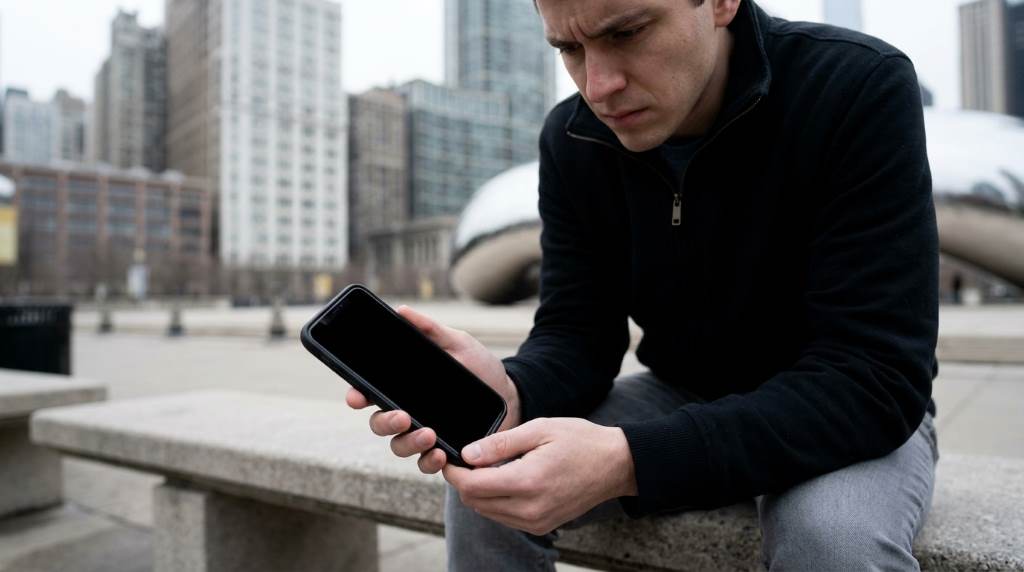
Smartphones store banking records, passwords, photos, and work files. Recent studies show that most Americans keep sensitive information on their devices daily. As a result, protecting personal data during phone access recovery matters more than ever. Many users search for ways to recover locked iphone access without exposing private information. In Chicago, IL, residents often rely on their phones during travel, business, and emergencies. Therefore, understanding secure recovery practices helps prevent identity theft and data loss.
Why Data Protection Matters During Phone Recovery
Most people focus on regaining access quickly. However, criminals often target users during recovery attempts. They know people feel stressed and may overlook security warnings. Consequently, attackers exploit weak passwords, fake support services, and phishing messages.
Phone recovery involves several sensitive processes. Users may enter passwords, recovery codes, or account details. Additionally, they often connect devices to computers or cloud services. Every step creates opportunities for data exposure if handled carelessly.
Chicago professionals frequently use mobile devices for work. Therefore, a compromised phone can expose business emails and client records. Personal devices also contain financial applications and stored payment methods. As a result, one security mistake can create serious consequences.
Understand Common Risks Before Starting Recovery
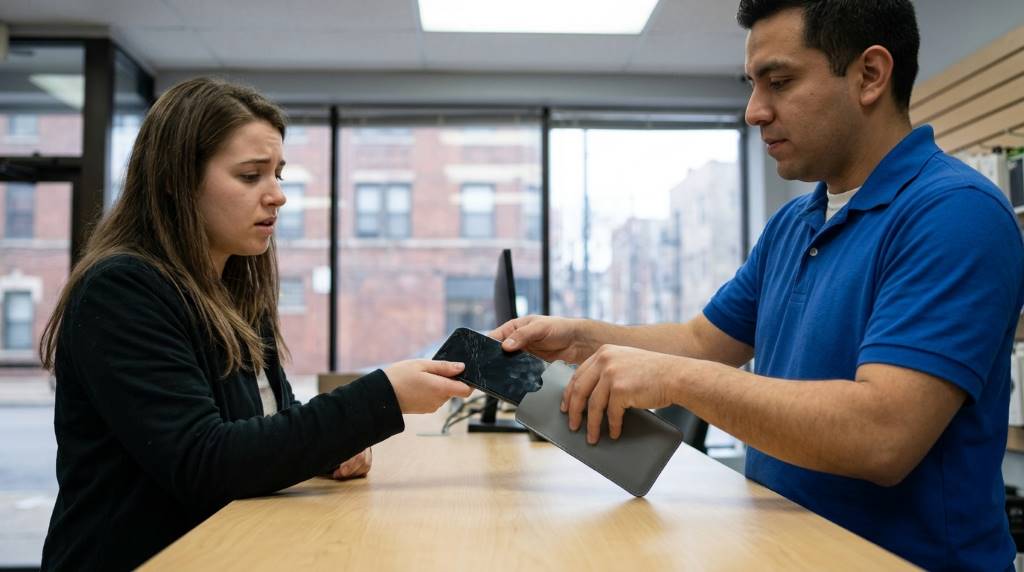
Many recovery scams begin with fake technical support advertisements. These services promise fast results but collect personal information. Furthermore, some request remote access to computers and smartphones. Once connected, they can steal valuable data.
Cybercriminals also create counterfeit recovery websites. These pages often mimic trusted technology brands. Interestingly, reports discussing more than one billion iPhone users highlight how attractive Apple customers remain to attackers. Therefore, users should verify every website before entering credentials.
Public WiFi networks create another hidden risk. Many people attempt recovery while visiting cafes or airports. However, unsecured connections may expose login details. Instead, use a trusted network or mobile data connection.
Create a Safe Recovery Environment
Start the process in a secure location. Choose your home, office, or another trusted environment. Moreover, keep unauthorized people away from your screen. This simple step reduces visual theft risks.
Update your computer before connecting any smartphone. Security patches block many known threats. Additionally, updated antivirus software helps detect malicious programs. Therefore, a clean device supports a safer recovery process.
Disable unnecessary applications during recovery. Background programs may interfere with security procedures. Likewise, closing unused browser tabs reduces distractions. As a result, you can focus on each verification step carefully.
Essential Security Checklist
- Use a private internet connection.
- Update all software before starting.
- Verify official recovery websites.
- Keep recovery codes secure.
- Enable two factor authentication.
- Avoid sharing passwords with anyone.
Verify Official Recovery Channels
Always use official manufacturer websites and applications. Criminals frequently imitate trusted brands. Therefore, check the web address carefully before entering information. Small spelling differences often reveal fraudulent pages.
Device ecosystems continue expanding rapidly. For example, discussions about augmented reality glasses for iPhone show how connected technology keeps growing. Consequently, protecting account credentials becomes even more important across linked devices.
Never trust recovery instructions received through unsolicited messages. Attackers often send urgent warnings to create panic. Instead, visit the official support website directly. This approach eliminates many phishing threats.
Protect Cloud Accounts During Recovery
Cloud services often hold backups of important information. Therefore, secure access to these accounts first. Use strong passwords and enable additional verification methods. These measures help prevent unauthorized entry.
If you receive account alerts, review them immediately. Login notifications can reveal suspicious activity. Furthermore, unusual location reports may indicate unauthorized access attempts. Early detection helps limit damage.
Remove unused devices from your account dashboard. Old devices sometimes remain connected for years. Consequently, they may create unnecessary security risks. Regular account reviews improve overall protection.
Use Strong Authentication Methods
Passwords alone no longer provide enough protection. Modern threats use advanced techniques to steal credentials. Therefore, users should add extra security layers. Multi factor authentication remains one of the most effective options.
Authentication applications offer stronger protection than text messages. They generate unique codes that change frequently. Additionally, attackers cannot easily intercept these codes. As a result, account security improves significantly.
Store backup authentication codes safely. Keep them in a secure location away from your device. Moreover, avoid saving them in unsecured notes. Proper storage supports successful recovery during emergencies.
Secure Personal Data Before Restoring Backups
Many users restore backups immediately after regaining access. However, they should verify backup integrity first. Corrupted backups may contain outdated settings or suspicious files. Therefore, careful review remains important.
Check backup dates and sources carefully. Only use copies created through trusted services. Additionally, avoid downloading unknown backup files. This practice reduces malware risks during restoration.
Wireless accessories often connect automatically after restoration. Interestingly, articles covering six wireless chargers for iPhone remind users how many external devices interact with smartphones. Therefore, review all connected accessories after recovery.
A Unique Risk Most People Ignore: Metadata Exposure
Many blogs discuss passwords and phishing attacks. However, few mention metadata exposure during phone recovery. Metadata includes location history, timestamps, device identifiers, and usage patterns. Criminals can use this information strategically.
Photo metadata often reveals home addresses and travel habits. Likewise, document properties may expose usernames and company details. Therefore, users should review sharing permissions carefully. This step protects information beyond visible content.
Before transferring files, remove unnecessary metadata when possible. Many applications provide built in privacy controls. Additionally, review cloud synchronization settings. These actions reduce unwanted data exposure significantly.
Protect Financial and Identity Information
Banking applications deserve special attention during recovery. First, verify recent transactions after regaining access. Then review saved payment methods and account permissions. This process helps identify unauthorized activity quickly.
Credit monitoring services provide additional protection. They alert users about suspicious account changes. Furthermore, early notifications support faster responses. Therefore, many security experts recommend ongoing monitoring.
Store digital copies of important documents securely. However, avoid keeping sensitive records in unsecured folders. Instead, use encrypted storage solutions. This approach reduces identity theft risks.
Chicago Specific Considerations
Chicago experiences cold winters and humid summers. Extreme weather sometimes damages devices unexpectedly. Therefore, residents should maintain updated backups throughout the year. Preparation helps reduce recovery stress later.
Many Chicago commuters rely heavily on public transportation. Consequently, phones often connect to various public networks. Users should avoid performing sensitive recovery actions during transit. Secure environments provide better protection.
Large city events also increase cybersecurity risks. Attackers often target crowded locations with fake WiFi networks. Therefore, verify network names carefully before connecting. Small precautions can prevent major problems.
What to Do After Recovery Is Complete
Change important passwords immediately after restoring access. Start with email accounts and financial services. Then update social media and cloud platforms. This sequence protects your most valuable information first.
Review account activity logs carefully. Most major services provide access history reports. Additionally, check for unfamiliar devices or locations. Prompt action limits potential damage.
Create a future recovery plan once everything works correctly. Record recovery contacts and backup methods securely. Furthermore, update this information regularly. Preparation makes future issues easier to manage.
Best Practices for Long Term Privacy Protection
Strong security habits reduce future recovery challenges. Therefore, update software promptly and review permissions often. Small actions performed consistently produce better protection. Long term vigilance remains essential.
Educate family members about recovery scams. Attackers frequently target less experienced users. Moreover, shared awareness improves household security. Knowledge remains a powerful defense tool.
Schedule periodic security reviews throughout the year. Check passwords, connected devices, and backup settings. Additionally, remove unused applications regularly. These habits strengthen overall digital privacy.
Conclusion
Protecting personal data during phone access recovery requires planning and caution. Every step should prioritize privacy, account security, and verification. Furthermore, users should watch for overlooked risks such as metadata exposure. Chicago residents can reduce threats by using trusted networks and official recovery channels. Start reviewing your security settings today and create a reliable recovery plan before the next emergency occurs.
FAQs
Can I recover phone access without risking personal data?
Yes, use official recovery tools, secure networks, and strong authentication methods.
Should I use public WiFi during phone recovery?
No, private and trusted internet connections provide much better security.
What is metadata exposure?
Metadata includes hidden information such as locations, timestamps, and device details.
Why should I enable multi factor authentication?
It adds an extra security layer that helps block unauthorized account access.
How often should I review backup settings?
Review backup settings several times each year to maintain reliable protection.
